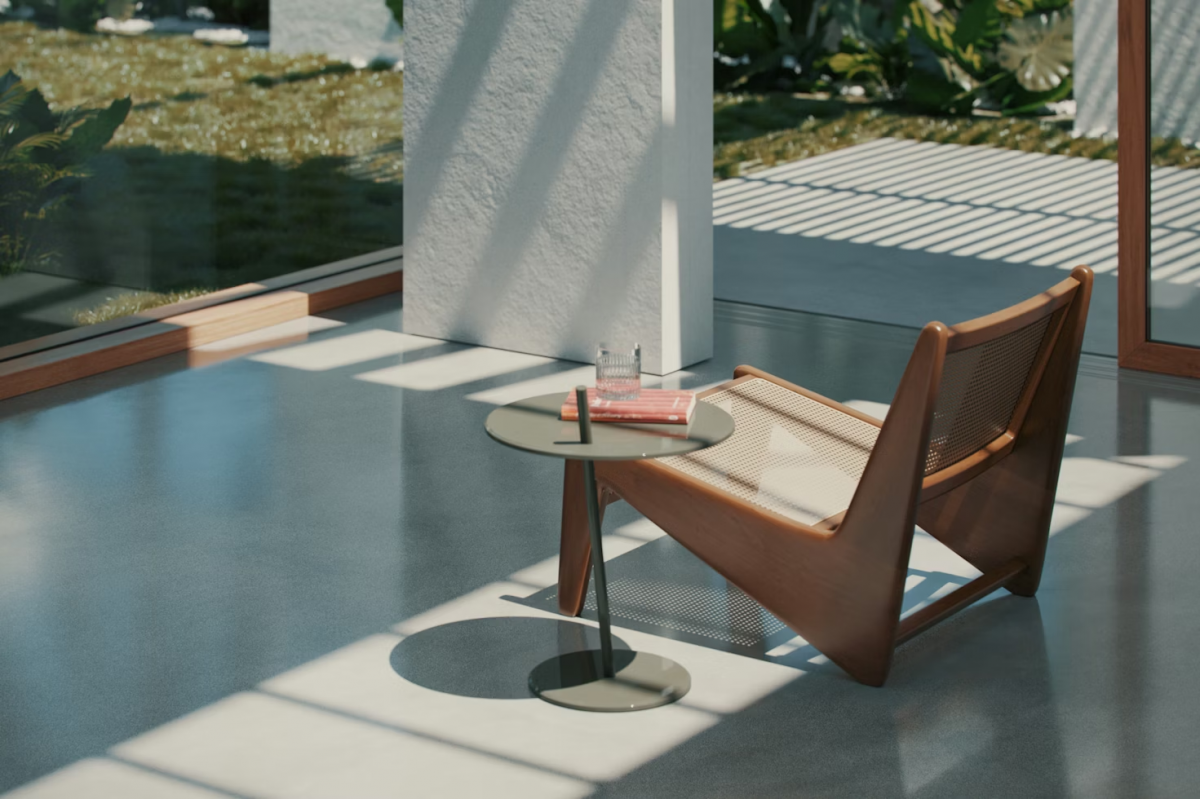
Acid etching has emerged as a pivotal technique in contemporary construction, valued for its versatility and ability to enhance both the aesthetic and functional qualities of surfaces. Contractors specialising in acid etching in Melbourne services often apply the method to concrete and glass surfaces to achieve improved texture, slip resistance, and refined finishes. Its application extends beyond simple decoration, providing solutions that improve durability, safety, and maintenance, making it a critical component in modern building practices. As construction projects increasingly demand precision, longevity, and visual appeal, acid etching has become an essential method for achieving these goals.
Understanding Acid Etching
Acid etching is a chemical process that employs acids, commonly hydrochloric or muriatic acid, to treat surface materials. The acid reacts with the top layer of concrete or similar substrates, dissolving a small portion to expose a fresh, more receptive layer beneath. This process not only creates visual texture but also enhances the adhesion of coatings, sealers, and paints, ensuring superior surface performance over time. By carefully controlling the concentration of acid and duration of application, contractors can achieve varying levels of texture, from subtle refinement to pronounced patterning, tailored to the specific needs of the project.
Enhancing Visual Appeal
One of the most significant advantages of acid etching lies in its ability to transform ordinary surfaces into visually striking elements. Architects and builders use the technique to create textures and patterns on floors, driveways, patios, and other concrete installations, elevating the overall design aesthetic. Etching can imitate the appearance of natural stone, tile, or other premium materials, providing an elegant finish without the costs associated with these alternatives. This versatility allows designers to implement sophisticated surface treatments that complement the broader architectural style of a structure. The technique is particularly valued in projects where bespoke designs and unique visual characteristics are desired.
Improving Surface Preparation
Proper surface preparation is a fundamental step in construction to ensure the long-term success of coatings and finishes. Acid etching effectively roughens concrete surfaces, optimising the bonding of paints, sealants, and other protective layers. This preparation reduces the risk of peeling, flaking, or early degradation of applied coatings. For industrial and commercial installations, where surfaces face heavy use and environmental stress, the preparation provided by etching is essential. It ensures that coatings remain intact, providing a durable and reliable protective layer that maintains both functionality and appearance over time.
Increasing Slip Resistance
Safety is a crucial consideration in construction, particularly in areas subject to high foot traffic. Acid etching improves slip resistance by creating a textured surface that reduces smoothness and the likelihood of slips and falls. This makes it suitable for staircases, ramps, outdoor pathways, and other high-use areas. The enhanced traction provided by etched surfaces not only protects occupants and visitors but also reduces the potential for liability issues in commercial and public spaces. As safety standards continue to evolve, acid etching provides a cost-effective and efficient method for meeting regulatory requirements without compromising design aesthetics.
Facilitating Maintenance
Etched surfaces offer practical advantages in terms of maintenance. The textured finish traps less dirt and resists staining more effectively than untreated surfaces, resulting in easier and less frequent cleaning. In both residential and commercial settings, this translates into reduced labour and material costs over the life of the installation. Additionally, the durability of etched surfaces ensures that their appearance remains consistent over time, minimising the need for frequent repairs or resurfacing. The combination of aesthetic enhancement and practical maintenance benefits makes acid etching an attractive choice for long-term investment in surface finishes.
Enhancing Durability and Longevity
Beyond visual appeal and preparation, acid etching contributes to the structural integrity and lifespan of treated surfaces. By removing the topmost, potentially weaker layer of concrete, etching exposes a denser and more durable layer beneath. This underlying surface is more resistant to environmental stressors, including moisture, freeze-thaw cycles, and chemical exposure, which are common causes of deterioration. As a result, treated surfaces require fewer repairs and offer longer service life, an invaluable advantage for infrastructure, commercial, and large-scale residential projects. The enhanced durability provided by etching ensures that surfaces retain both functionality and appearance for decades.
Supporting Precise Architectural Designs
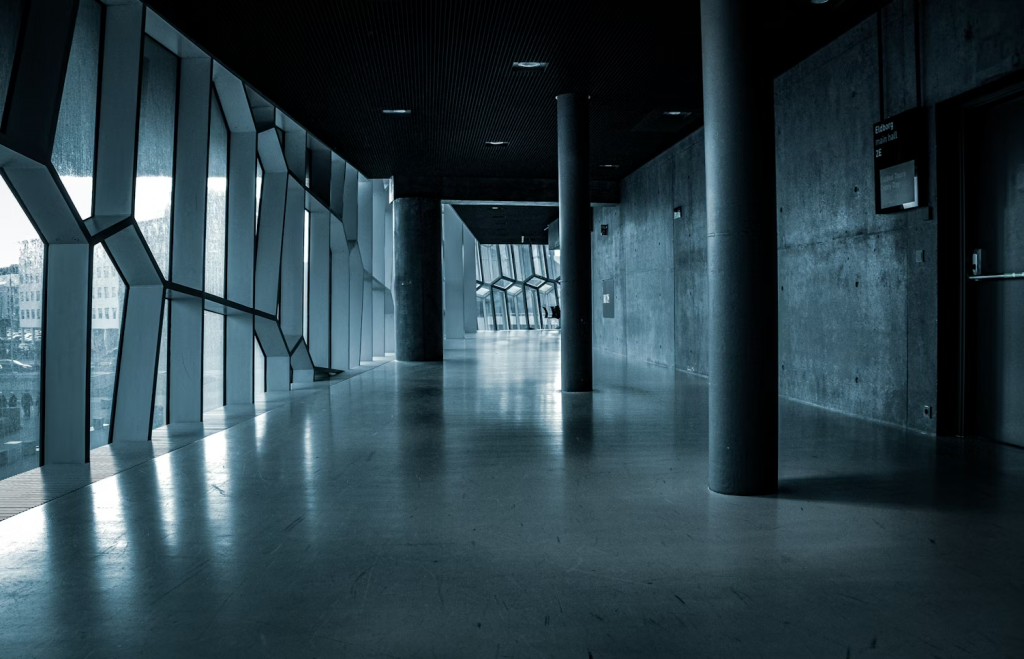
Modern construction increasingly requires precision and intricate detailing, which acid etching accommodates effectively. The process allows for the creation of detailed patterns, logos, artistic motifs, and directional signage directly into concrete surfaces. This enables designers to incorporate creative features without resorting to expensive alternatives or additional materials. The precision and flexibility offered by acid etching provide significant creative freedom while remaining cost-effective. Whether for commercial branding, decorative floors, or intricate architectural accents, etched surfaces allow architects and builders to achieve complex designs with clarity and consistency.
Applications in Restoration and Renovation
Acid etching is highly effective in restoration and renovation projects, offering a sustainable alternative to complete surface replacement. Instead of removing and replacing aged or worn concrete, etching revitalises existing surfaces by eliminating stains, discolouration, and minor surface damage. This process restores the material’s appearance and functionality while preserving the original substrate. In renovation projects where maintaining the integrity of existing materials is essential, acid etching provides an environmentally responsible solution that reduces waste and project costs. It allows older installations to achieve a refreshed, modern look without extensive reconstruction.
Conclusion
Acid etching has firmly established itself as a versatile and indispensable technique in modern construction. By enhancing visual appeal, improving surface preparation, increasing slip resistance, facilitating maintenance, and extending durability, it addresses multiple demands of contemporary building projects. Its ability to support precise architectural designs and rejuvenate existing surfaces further demonstrates its value across diverse construction applications. As architectural innovation continues to evolve, acid etching remains a reliable and effective method for achieving the ideal balance between form, function, and longevity in building projects.