Plastic rubbish bins are an essential part of everyday life in homes, offices, schools, and commercial spaces across Australia. Whether used in kitchens, backyards, workplaces, or public areas, they play a key role in keeping environments clean, organised, and hygienic. While they may seem like a simple household item, choosing the right plastic rubbish bin can make a noticeable difference in convenience, waste management, and long-term usability.
With a wide range of sizes, designs, and materials available, understanding how plastic rubbish bins work for both indoor and outdoor use helps buyers make better choices that suit their needs and lifestyle.
Why Plastic Rubbish Bins Are So Popular in Australia
Plastic has become the most common material for rubbish bins because of its practicality and affordability. Compared to metal or wooden alternatives, plastic bins are lightweight, easy to clean, and resistant to rust. This makes them suitable for both indoor and outdoor environments, especially in Australia’s varied climate.
Plastic bins are also versatile. They are used in residential homes, restaurants, offices, schools, construction sites, and public spaces. From small kitchen bins to large wheelie bins for kerbbside collection, plastic remains the preferred material for most waste containers.
Another major reason for their popularity is cost. Plastic rubbish bins are generally more affordable than stainless steel or designer bins, making them accessible to a wide range of users without sacrificing functionality.
Understanding Indoor Plastic Rubbish Bins
Indoor rubbish bins are designed to blend into living and working spaces while offering practical waste disposal. They are commonly used in kitchens, bathrooms, bedrooms, offices, and common areas.
Kitchen bins are often the most frequently used. These usually come in medium to large sizes and may include foot pedals, soft-close lids, or compartments for recycling. Plastic versions are popular because they are easy to wash and resistant to stains and odours when properly maintained.
Bathroom and bedroom bins are usually smaller and more discreet. They are designed for light waste such as tissues, packaging, and personal items. Compact plastic bins fit easily under sinks or beside furniture without taking up too much space.
Office bins focus on paper and packaging waste. Lightweight plastic bins make emptying and relocating easy, especially in shared workspaces where flexibility is important.
Outdoor Plastic Rubbish Bins and Their Importance
Outdoor rubbish bins are built to handle larger volumes of waste and harsher conditions. In Australia, outdoor bins are exposed to strong sunlight, heavy rain, heat, and sometimes wildlife. Plastic bins used outdoors must therefore be more durable and weather-resistant.
Wheelie bins are the most common type of outdoor plastic bin. They are used for household waste collection and are designed to be moved easily to and from the kerb. These bins are made from high-density plastic that resists cracking, fading, and warping.
Garden and yard bins are also popular for collecting leaves, grass clippings, and general outdoor waste. These bins often have wider openings and reinforced walls to handle heavier loads.
Public and commercial outdoor bins are typically larger and sturdier. They may include lockable lids, heavy-duty wheels, and reinforced bases to prevent tipping and vandalism.
Material Quality and Durability
Not all plastic rubbish bins are made equal. The quality of plastic used plays a major role in how long a bin will last. High-quality bins are usually made from polyethene or similar durable materials that resist impact and UV damage.
Cheaper bins may crack, fade, or become brittle over time, especially when used outdoors. Investing in well-made plastic bins often results in better long-term value, even if the initial cost is slightly higher.
Thickness also matters. Thicker walls provide better resistance against heavy loads and accidental impacts. For outdoor use, this is particularly important, as bins are frequently moved, lifted, and exposed to changing weather.
Size and Capacity Considerations
Choosing the right size is essential for both indoor and outdoor bins. A bin that is too small will need frequent emptying, while one that is too large may take up unnecessary space.
For indoor use, the capacity should match the daily waste output. Single-person households may only need small to medium bins, while larger families often prefer bigger kitchen bins with higher capacity.
Outdoor wheelie bins are usually provided in standard sizes by local councils, but additional bins for recycling or garden waste may vary. Understanding local waste collection requirements helps ensure compatibility.
In commercial settings, larger bins reduce the frequency of waste removal, saving time and labour. However, they must still be manageable for staff to handle safely.
Hygiene and Odour Control
Hygiene is one of the biggest concerns when it comes to rubbish bins. Plastic bins have the advantage of being easy to clean with water and disinfectant. Regular washing helps prevent bacteria buildup and unpleasant smells.
Many modern plastic bins come with tight-fitting lids that reduce odour leakage and keep pests away. Some indoor bins also include deodorising filters or sealed compartments to improve air quality.
For outdoor bins, keeping lids closed is especially important in Australia, where insects and animals may be attracted to waste. A secure lid helps prevent spills and contamination.
Using bin liners and cleaning bins regularly also extends their lifespan and improves hygiene.
Environmental Considerations
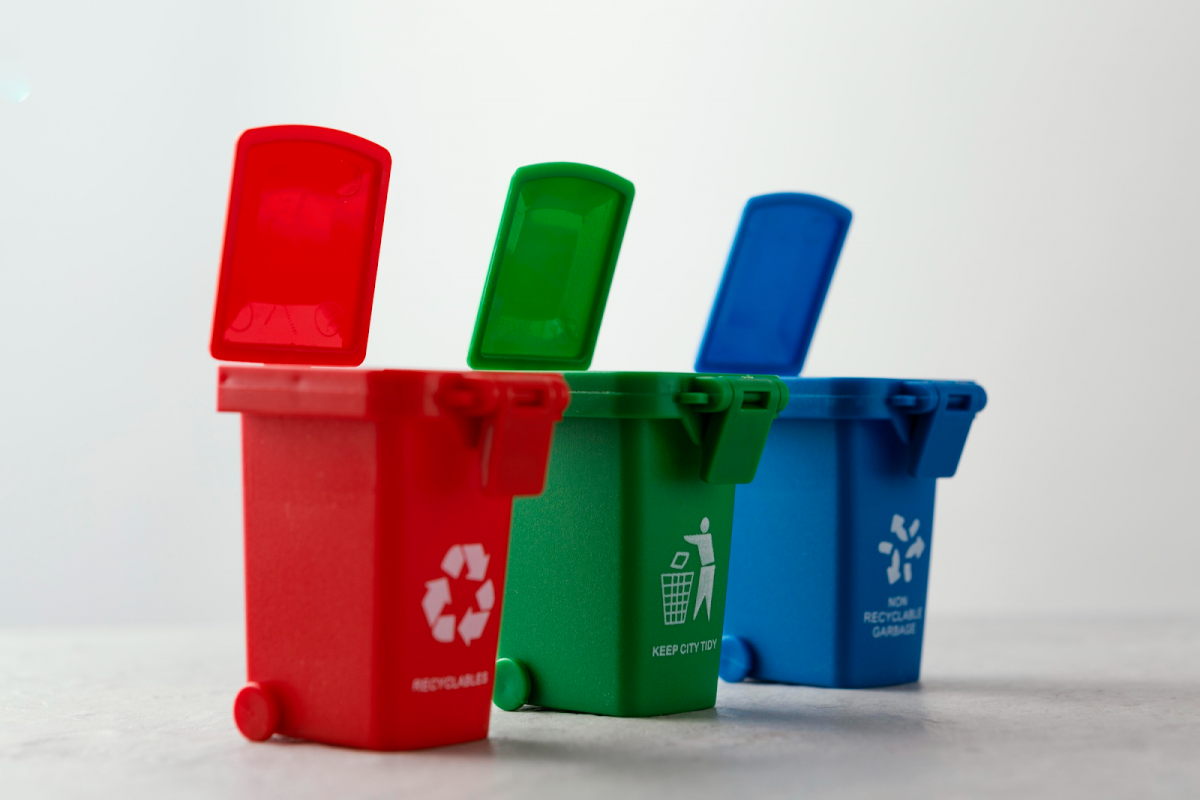
As environmental awareness grows, many Australians are paying closer attention to waste management practices. Plastic rubbish bins now often support recycling and waste separation systems.
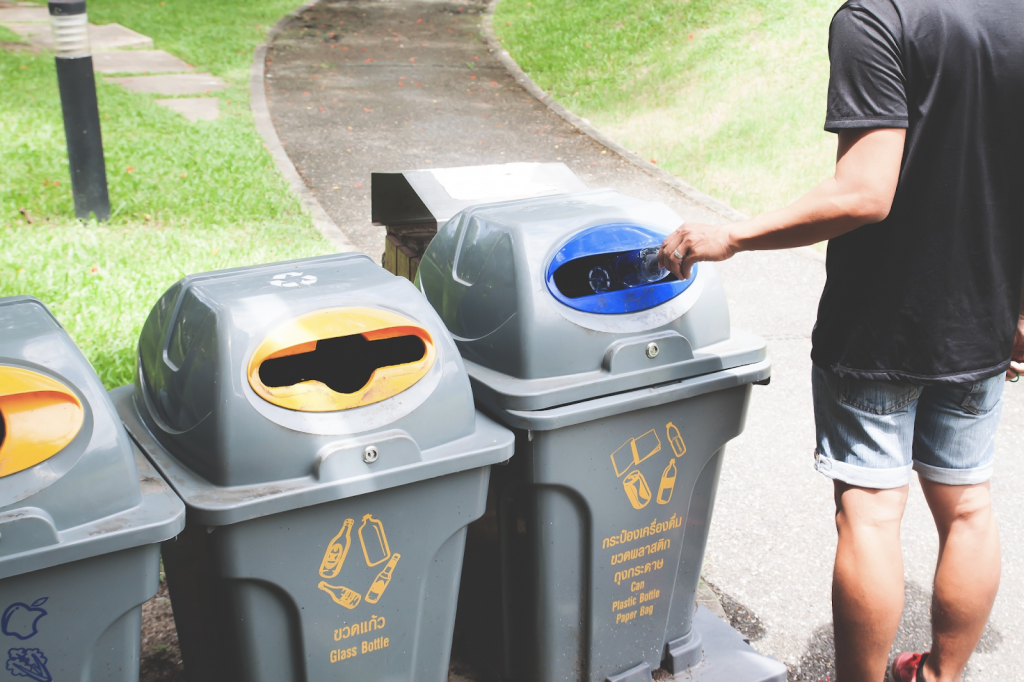
Some bins are designed with multiple compartments for general waste, recyclables, and organic waste. This encourages responsible disposal and makes sorting easier.
In addition, many manufacturers now use recycled plastic to produce rubbish bins. This reduces environmental impact and supports sustainable manufacturing practices.
Choosing durable bins that last for years also helps reduce plastic waste by minimising replacement frequency.
Final Thoughts
Plastic rubbish bins remain the most practical and widely used waste containers for indoor and outdoor use in Australia. Their affordability, durability, and versatility make them suitable for homes, businesses, and public spaces alike.
By choosing the right size, material, and design, users can improve hygiene, organisation, and overall waste management efficiency. With growing emphasis on sustainability and convenience, modern plastic bins continue to evolve to meet changing needs.
For anyone looking to upgrade their waste disposal system, understanding these factors ensures a smarter and more satisfying purchase.